
Skin and Nail Concerns Treatment
Comfortable, effective treatment for fungal infections, ingrown nails, warts, odor, and other common foot skin issues.
What You Need To Know
A patient guide to the most common skin and nail conditions affecting the feet.
Understanding Skin and Nail Conditions
The skin and nails of the feet are prone to a wide range of conditions, from fungal infections and ingrown toenails to plantar warts, blisters, foot odor, and even skin cancer. The foot is an ideal environment for microbes to latch on, as it is a damp and moist space, especially the web between your toes. The damp, softened tissues provide the perfect space for the roots of a fungus to penetrate.
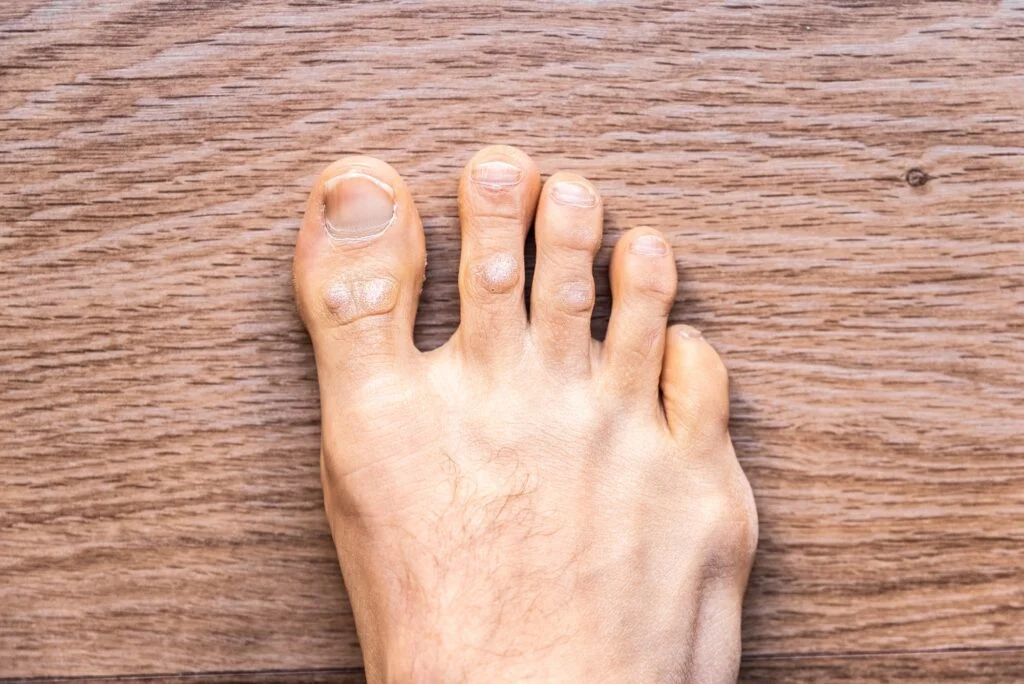
Athlete’s foot (tinea pedis) is a fungal infection that typically begins between the toes and is highly contagious. Signs and symptoms include a scaly red rash, itching, stinging, burning, dry or peeling skin, and sometimes blisters. Fungal toenails, or onychomycosis, develop slowly beneath the nail, causing white or yellowish discoloration, thickening, and flaking. If not treated, the nail may separate from the nail bed.
Ingrown toenails occur when a corner of the nail grows into the flesh of the toe, causing redness, swelling, pain, and often infection. They may be caused by improperly trimmed nails, heredity, shoe pressure, or repeated trauma. Plantar warts, caused by the human papillomavirus (HPV), appear as hard bumps on the bottom of the feet and can spread rapidly if left untreated.
Toenails often serve as barometers of our health. Pitting of the toenails and increased nail thickness can be manifestations of psoriasis, while concavity can foretell iron deficiency or anemia. If you spot any discoloration, pain, or infection on or about the nail or skin, schedule an appointment with us to have it evaluated.
Prevention and Treatment Options
Good foot hygiene can prevent many skin and nail problems. Wash your feet every day with soap and water and dry carefully, especially between the toes. Wear flip-flops or shower shoes in public areas like pools, locker rooms, and gyms. Use powder in shoes and socks regularly to reduce moisture, and choose synthetic blend socks that wick moisture away.
For athlete’s foot, mild cases may respond to over-the-counter powders or ointments, but persistent infections often require prescription antifungal creams or oral medications. Fungal toenails can be treated with topical antifungals combined with mechanical debridement, and oral antifungals are sometimes used in resistant cases based on culture results.
Ingrown toenails are treated by gently numbing the toe and removing the offending corner of the nail. If ingrown nails are a chronic problem, we can permanently remove the root of the ingrown portion in the office. For plantar warts, several treatment options are available depending on the patient’s needs, and early treatment helps prevent spreading.
Foot odor (bromodosis) can usually be managed at home with daily washing, moisture-wicking socks, alternating shoes, and antifungal powders. When home care isn’t enough, we can prescribe stronger antiperspirants and foot soaps. Your feet and ankles are also vulnerable to skin cancer, so examine your feet regularly, including the soles and between the toes, and apply sunscreen when outdoors. If you notice anything unusual, schedule a visit with your podiatrist right away for evaluation and peace of mind.
Related Services
Convenient Locations Near You
Find a University Foot and Ankle Institute office close to home for expert skin and nail care.




Don’t let skin or nail problems keep you from feeling comfortable in your feet.
We’re here to help you get back to healthy, comfortable feet quickly.