
Diabetic Foot Care You Can Rely On
Protect your feet, prevent complications, and manage diabetic symptoms with expert care from our board-certified podiatrists.
What You Need To Know
How diabetes affects your feet and why regular podiatric care matters.
Understanding Diabetic Foot Care
Diabetes is a chronic disease causing high blood glucose levels. Because high sugar levels affect the body’s blood circulation, the feet are most impacted, as they are farthest from the pumping heart. Diabetes also weakens your immune system, making it harder to fight off infections, which can damage your nervous system and affect your ability to feel sensations in your feet.
Damage to your nervous system can affect your feet’s ability to produce sweat and natural oils that keep the skin lubricated. Without proper lubrication, the skin, bones, and joints of the foot can become injured. Nerve damage may lessen your ability to feel pain, meaning small problems go unnoticed and develop into big ones.
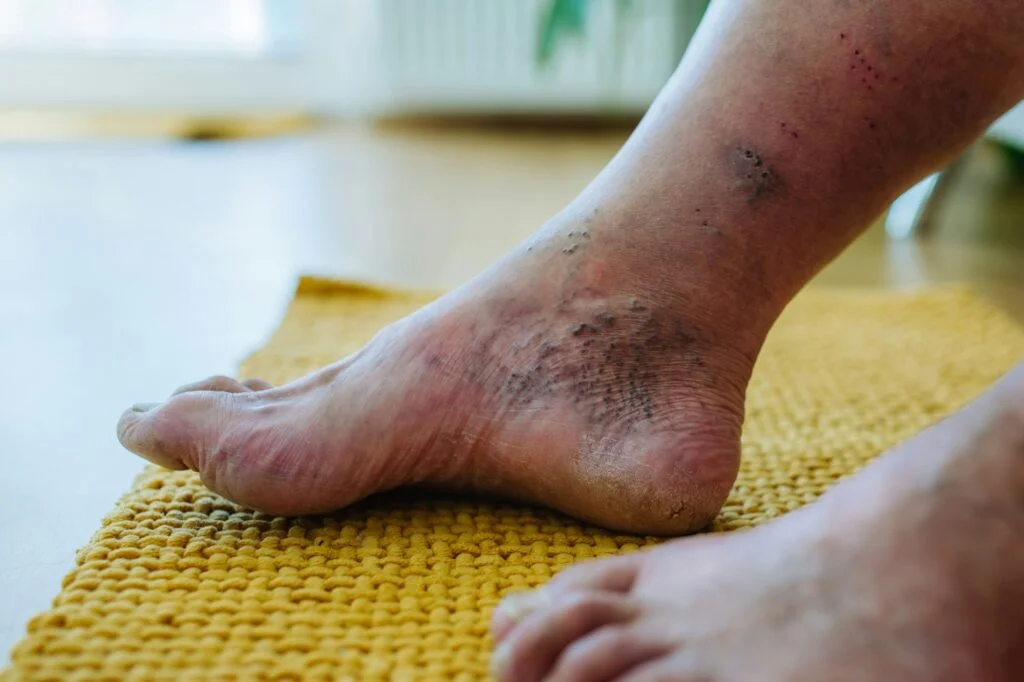
Warning signs often appear in the feet and can include swelling, numbness, leg pain, skin color changes, slow-healing sores, fungal toenails, and calluses or corns that bleed. Diabetics are also at greater risk of developing ulcers, which are sores that can penetrate all the way to the bone if left untreated.
Risk factors include aging, high blood pressure, heredity, poor diet, being overweight, and inactivity. Poorly fitting shoes are the number one cause of foot injury for diabetics, so red spots, sores, blisters, corns, calluses, or persistent pain should be taken seriously.
At the first sign of any infection, inflammation, or foot change, don’t hesitate to call us. Our podiatrists have extensive experience with diabetic foot care and limb salvage, and early evaluation can make all the difference.
Prevention and Daily Foot Care
While ulcers and slow-healing wounds can be scary prospects for a diabetic, the good news is that vigilant care at home and regular visits to your podiatrist can dramatically reduce your risk of complications. Switching to a whole foods diet and avoiding processed sugars can also help reduce symptoms.
Check your feet daily and inspect the bottoms too. Wash your feet every day in warm, soapy water and dry thoroughly, especially between the toes. Moisturize with a rich lotion to keep skin supple, but avoid moisturizing between the toes. When trimming toenails, cut them straight across to avoid an ingrown nail.
Always wear clean, dry socks and change them daily. Consider socks made for those with diabetes, which have loose tops, extra cushioning, and moisture-wicking fibers. Protect your feet by wearing well-fitting shoes, and avoid walking barefoot. Never treat corns or calluses yourself; seek the help of a professional instead.
For diabetics, proper footwear is essential. In our offices, we can accommodate even the most challenging patients with foot orthoses and custom braces. For those who are eligible, diabetic shoes and inserts may be covered by insurance with little to no out-of-pocket expense.
Most importantly, keep regular visits with one of our podiatrists. Diabetics should be seen at least twice a year, and early recognition of problems along with regular foot screenings can help reduce the risk of lower limb amputation by up to 85%.
Related Services
Find Diabetic Foot Care Near You
Visit one of our convenient locations for expert diabetic foot care and prevention.





Don’t wait to protect your feet, early care can prevent serious complications.
We’re here to help you stay active, healthy, and one step ahead of diabetes.