
Plantar Fasciitis and Heel Pain Care
Relief from morning heel pain and chronic foot discomfort with personalized treatment plans that get you back on your feet.
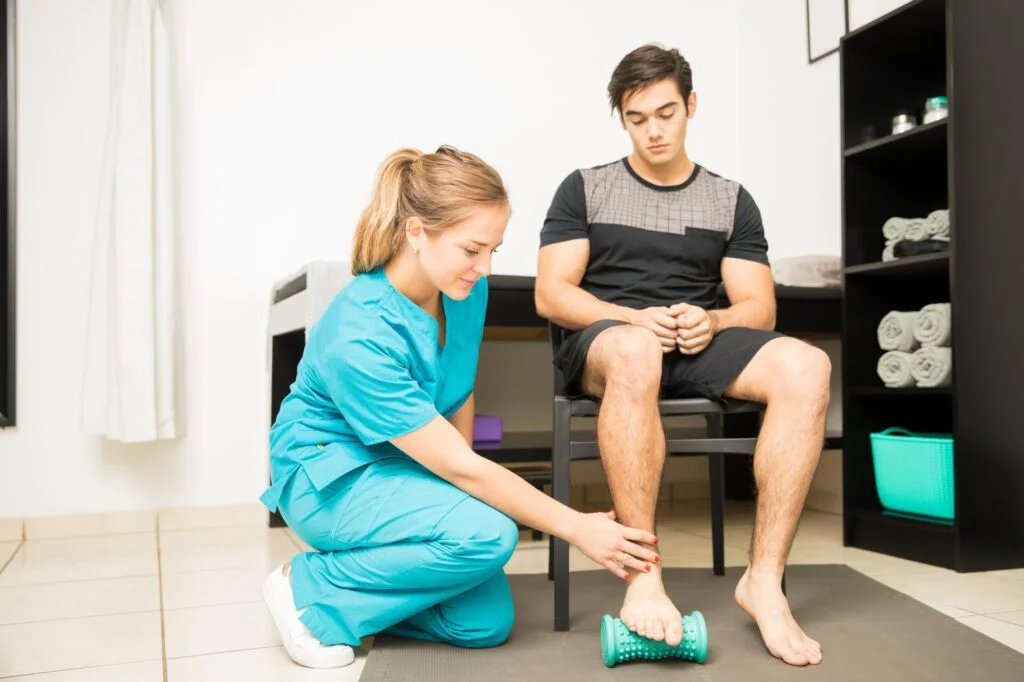
What You Need To Know
Understanding plantar fasciitis, its symptoms, and how we help you find lasting relief.
Understanding Plantar Fasciitis and Heel Pain
Plantar fasciitis is one of the most common causes of heel pain. The plantar fascia is a band of tissue that runs along the bottom of the foot from the heel bone to the toes. This tissue helps form the foot’s arch. With overuse such as running or standing for long periods on hard surfaces, or from wearing shoes with little support, tiny tears can develop in the plantar fascia, causing inflammation and heel pain.
With plantar fasciitis, the bottom of your foot may hurt when you stand, especially first thing in the morning. Common symptoms include sharp, burning, or throbbing heel pain, a stabbing sensation in the bottom of the heel, and increased pain with activities or prolonged standing. Pain is often worst when arising from bed because the plantar fascia has contracted during the night.
Many factors can cause plantar fasciitis. Those with flat feet or high arches are more susceptible because the plantar fascia ligament is under more pressure. Other causes include overuse from walking, running, or standing, unsupportive shoes, weight gain, and tight calf muscles. Heel spurs occur in at least 50% of people who have plantar fasciitis.
Because plantar fasciitis can worsen over time and become chronic if left untreated, meeting with a podiatrist promptly is recommended. Heel pain can also signal tendonitis, nerve pain, stress fractures, or arthritis, so accurate diagnosis matters. Our offices are equipped with digital X-rays and diagnostic ultrasounds that support fast, accurate diagnosis and a personalized treatment plan.
Treatment Options and Prevention
Many types of heel pain improve with non-surgical treatments. Once plantar fasciitis is identified as the cause, non-invasive options include resting and icing the area, stretching exercises or physical therapy, modifying activities, changing footwear, padding or taping the foot, wearing an orthotic device, and wearing a night splint. Anti-inflammatory medications and corticosteroid injections can also reduce inflammation and pain.
Orthotics are one of the most effective forms of treatment. They can be over-the-counter or custom-made arch supports designed to provide proper foot, heel, and ankle alignment. Supportive shoes should bend near the toes, have a solid heel counter, and resist twisting. Night splints passively stretch the calf, Achilles tendon, and arch during sleep, reducing tension when you take your first steps in the morning.
For patients who need more advanced care, we offer radial pulse therapy, K-Laser therapy, RST SANEXAS therapy, ultrasound-guided injections, brace therapy, sports physical therapy, and customized topical therapy. For severe cases that do not respond to conservative treatment, extracorporeal shockwave therapy, the Tenex procedure, and minimally invasive surgery are also available.
Prevention supports long-term relief. Wear the right shoes for each activity, choose footwear with shock-absorbent soles and supportive heel counters, and warm up and stretch before and after exercise. Low-impact activities such as biking and swimming are gentler on your heels than running. With the right treatment plan and lifestyle adjustments, most patients find lasting relief from heel pain.
Find Plantar Fasciitis Care Near You
Visit one of our convenient locations for expert plantar fasciitis and heel pain treatment.

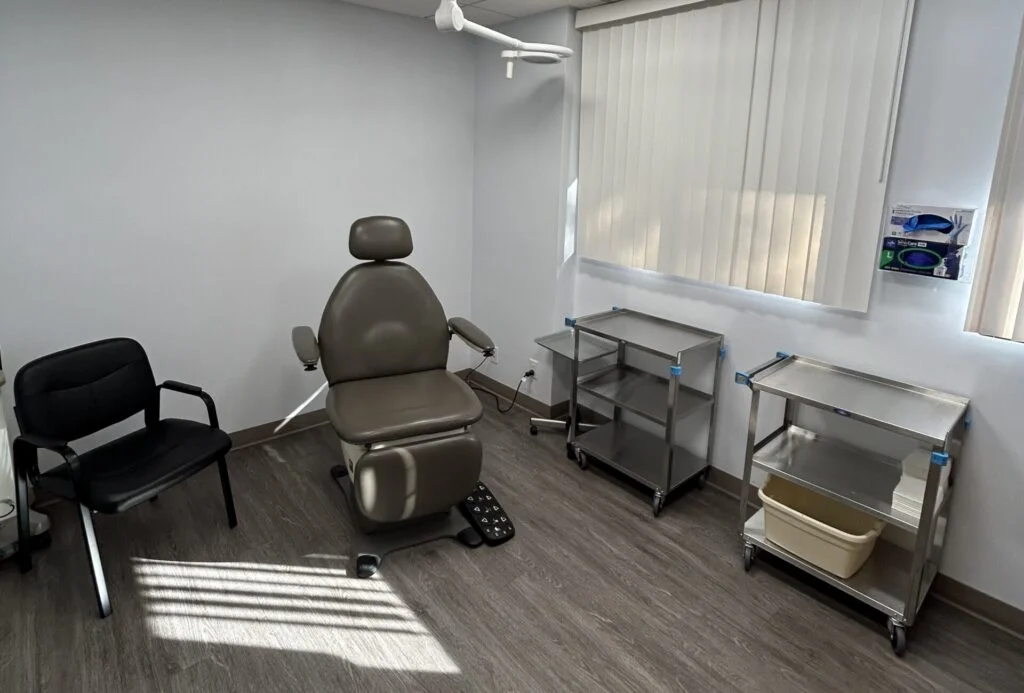



You don’t have to keep living with heel pain, let’s get you back on your feet.
Call our experienced team or schedule an appointment online today.