High Arches Treatment and Relief
Compassionate care for cavus foot, from custom orthotics and physical therapy to advanced treatment when needed.
What You Need to Know
Understanding high arches and how they can affect your feet, posture, and daily comfort.
Understanding High Arches (Cavus Foot)
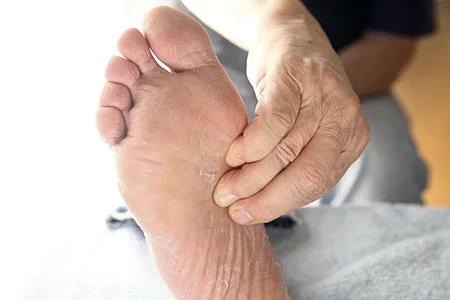
High arches (also called cavus foot or cavus feet) is, as the name implies, a disorder caused by an abnormally high arch of the foot. This causes excess amounts of weight to be placed on the ball and heel of the foot, which can cause pain and other complications. The arch of the foot provides a base for posture and balances the weight and bone structure, helping you stay balanced when walking, running, jumping, and pivoting.
Many people have high arches and may never need any intervention. That said, there are cases of cavus foot that require medical attention, or at the very least, additional support. If high arches are severe, they can cause painful foot conditions because they affect posture and gait. High arches usually manifest in the teenage years.
Common symptoms include pain in your feet when walking, standing, exercising, or playing sports, difficulty finding shoes that fit well, toes that appear claw-like and bent, a heel that tilts inward causing loss of balance, and callus formation on the ball, side, or heel of the foot. Some patients also notice that the length of their feet has gotten shorter.
High arches can be genetic and run in families. They can also be caused by neurologic disorders or other medical conditions, like cerebral palsy, Charcot-Marie-Tooth disease, spina bifida, and polio.
If pain, inflammation, or limited movement is affecting you, make an appointment with one of our board-certified podiatrists at University Foot and Ankle Institute. We can evaluate the severity of your high arches and build a plan that fits your needs.
Problems Caused by High Arches
High arches, if severe, can lead to several painful foot conditions because they affect your posture and gait. Recognizing these related problems can help you know when it is time to seek care.
Plantar fasciitis occurs when overuse or trauma to the plantar fascia, the band of ligament that connects the heel to the toes, causes pain and inflammation. It is usually felt along the heel but can affect the bottom of the entire foot or the arch. Metatarsalgia is a painful inflammation of the ball of the foot that gets triggered when standing or walking and subsides when at rest. The pain can worsen over time and cause a limp and compensation pain in other parts of the body, like the lower back or hips.
Claw toes and hammer toes are also common. Claw toes dig down into the soles of the shoes, often affecting the four smaller toes and causing painful calluses. Hammer toe usually affects the second, third, or fourth toes, where the toe bends at the middle joint and can eventually become rigid. In people with high arches, one or both heels may tilt toward the middle of the body, causing foot and ankle instability and increasing the risk of ankle sprains.
Treatment often starts with proper shoes that provide extra padding and support, along with custom orthotic devices molded to the contours of your feet. Physical therapy can strengthen the muscles and tendons in your feet, ankles, and toes. Surgery is only considered in the most severe cases when conservative care has not provided relief, so most patients find lasting comfort through non-surgical options.
Find Care for High Arches Near You
Visit any of our convenient locations to meet with a board-certified podiatrist about high arches.




If your high arches are causing pain, let’s get you back on your feet.
We’re here to help with expert care, custom orthotics, and lasting relief.