
Achilles Tendonitis Care and Treatment
Relief from heel and calf pain with proven conservative care, advanced therapies, and surgical options when needed.
What You Need To Know
Understanding Achilles tendonitis, its symptoms, and how it is diagnosed and treated.
Understanding Achilles Tendonitis
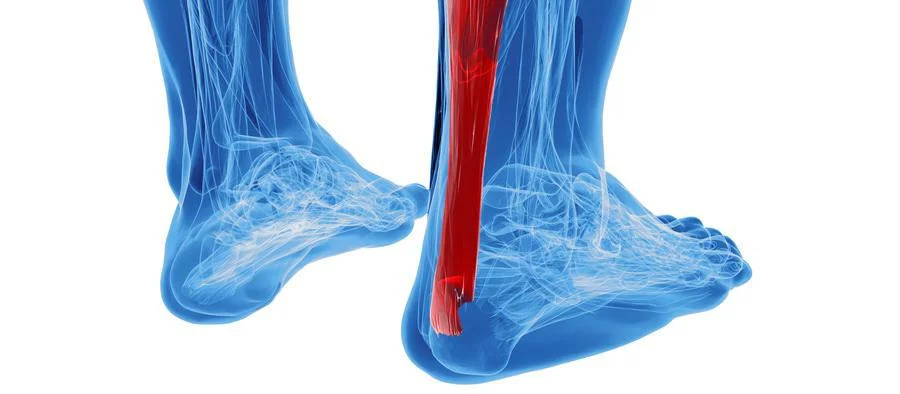
The Achilles tendon runs down the back of the lower leg, connecting the calf muscle to the heel bone. Also known as the heel cord, it is the strongest and largest tendon in the human body. Its main function is to transmit power from the calf muscles to the heel and foot, allowing us to stand on our toes when walking, running, or jumping.
Achilles tendonitis is inflammation of the Achilles tendon, and it is typically short-lived. If not resolved, the condition may progress to degeneration of the tendon (Achilles tendinosis), in which the tendon loses its organized structure and may develop microscopic tears and thickening. In rare instances, long-standing tendinosis can result in an Achilles tendon rupture.
Symptoms include aching, firmness, or soreness within the tendon, from the heel attachment up to the area below the calf muscle. Pain often appears upon getting out of bed in the morning or after periods of rest, then improves with motion. As the disorder progresses, the tendon may become enlarged and develop firm nodules.
Achilles tendonitis is usually caused by a sudden increase or repetitive activity involving the tendon. Athletes, manual laborers, and people with flat feet, high arches, or overpronation are at higher risk. If your pain is persistent and rest and icing don’t help, it’s time to visit a podiatrist so we can examine your foot and ankle, evaluate range of motion, and use imaging such as ultrasound or MRI when needed to build the right treatment plan for you.
Treatment Options and Prevention
Treatment approaches are selected based on how long the injury has been present and the degree of damage to the tendon. In the early stage of acute inflammation, options may include immobilization with a cast, splint, or walking boot; icing the affected area; nonsteroidal anti-inflammatory medications; custom orthotics for overpronation; night splints; bracing; and rest from aggravating activities.
Physical therapy is a cornerstone of recovery and may include strengthening exercises, soft-tissue massage and mobilization, gait and running re-education, stretching, and ultrasound therapy. As symptoms improve, exercises are added to strengthen the muscles and improve range of motion and balance.
As a general rule, unless there is a rupture present, we tend to avoid surgery of the Achilles tendon. Less invasive techniques can help improve Achilles tendinosis without opening up the tendon for repair. The TenJet device uses a controlled, high pressure stream of saline to remove diseased tendon while sparing healthy tissue, and stitches may not be needed. If nonsurgical approaches fail or a rupture is present, surgery may be necessary to repair the tendon.
To help prevent recurrence, warm up before exercise, wear supportive shoes, get fitted for custom orthotics if you have flat feet or high arches, gradually increase activity, and choose low-impact activities such as swimming or cycling. On average, patients experience pain relief within three months of treatment, and your physician will guide your recovery plan so you can safely return to the activities you enjoy.
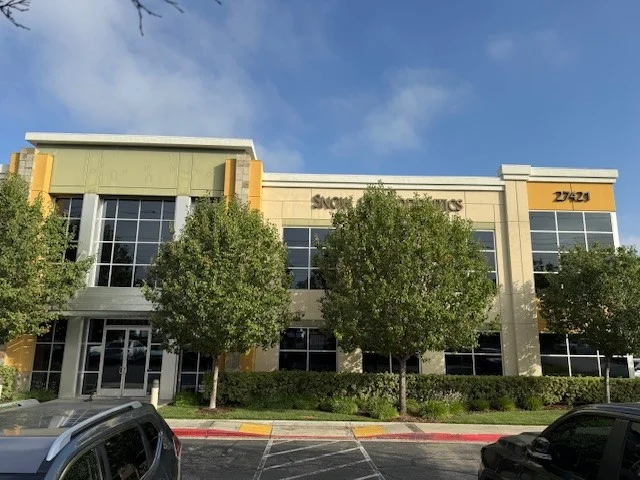
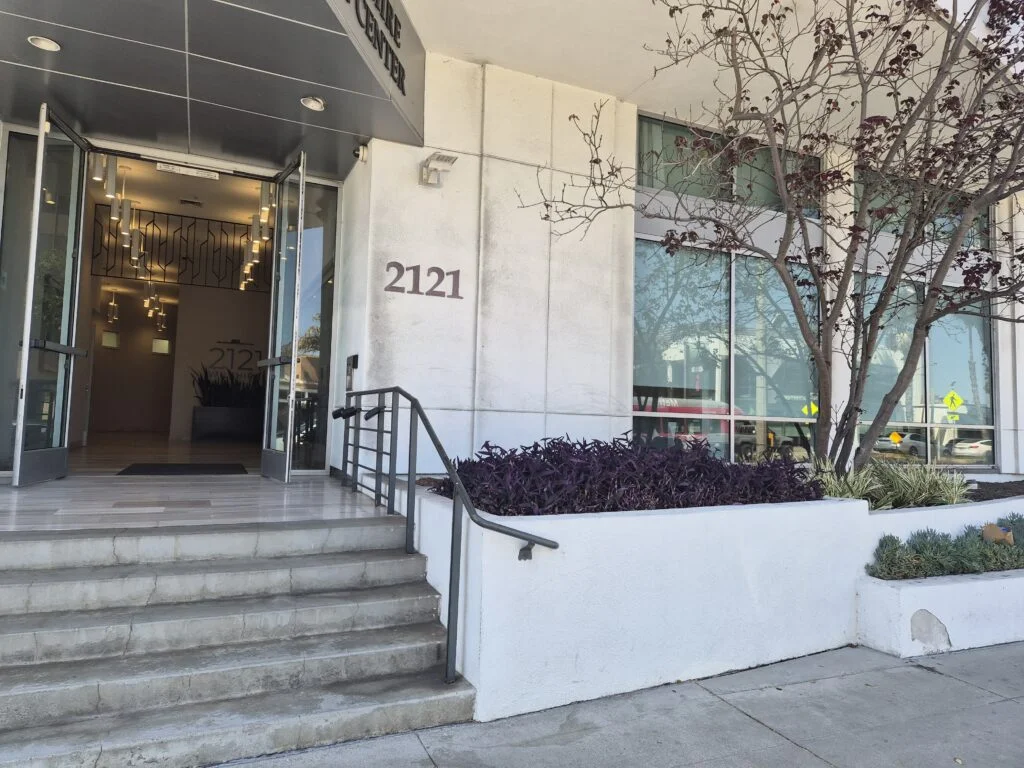
Find Achilles Tendon Care Near You
Visit one of our conveniently located offices for expert Achilles tendon evaluation and treatment.


Don’t let Achilles pain sideline you any longer, we’re here to help you get back on your feet.
Schedule with our board-certified podiatrists and start feeling better today.