
Acute Pain and Injuries Treatment Care
Fast, focused treatment for foot and ankle injuries so you can recover mobility and get back to daily activity.
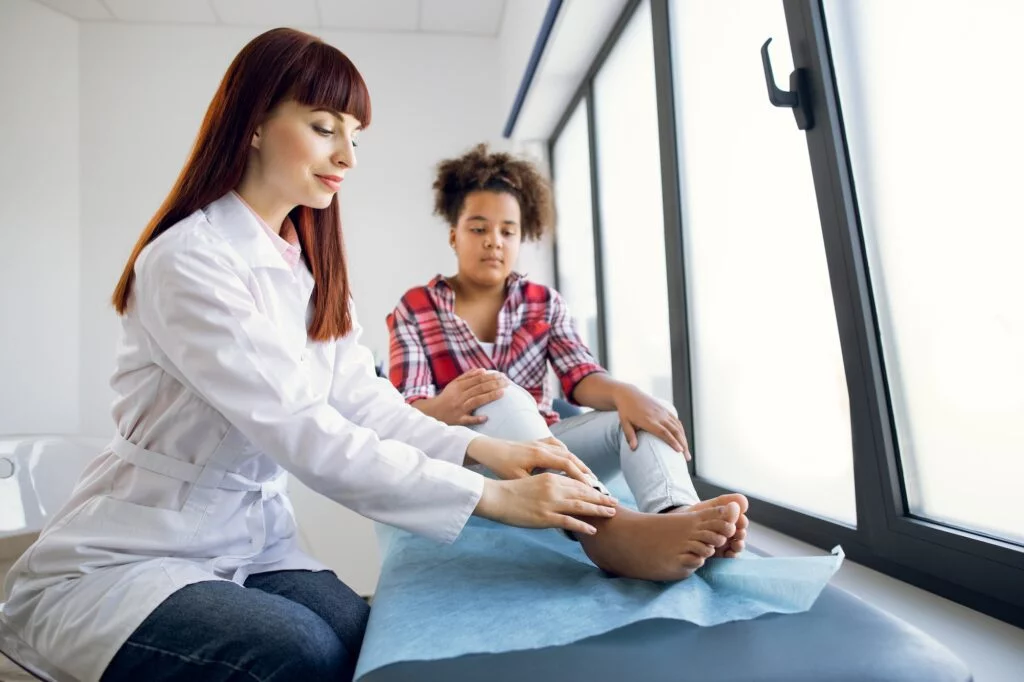
What You Need To Know
A quick guide to acute foot and ankle injuries and how they are evaluated.
Understanding Acute Foot and Ankle Injuries
A foot injury can significantly impact your mobility and your regular level of healthy activity. The feet and ankle are composed of a complicated network of bones, joints, muscles, tendons, and ligaments. They provide balance and support to the body and keep it mobile. Constant pressure on the bones or soft tissues often causes trauma to the feet and ankle and results in pain and inflammation.
An injury to the foot can impact any of its 26 bones, as well as its joints, ligaments, muscles, or tendons. Injuries are usually due to overuse or trauma and can include sprains, fractures, burns, crush injuries, lacerations, and sesamoid injuries. Stress fractures occur on the surface of the bone, usually from physical activity, while general bone fractures extend through the bone and are typically caused by trauma.
Common symptoms include piercing or throbbing pain, inflammation, bruising, tenderness, foot deformity, difficulty walking, balance issues, and difficulty bearing weight. If left untreated, foot injuries can cause issues for the knees, legs, hips, and low back and may affect your long-term ability to walk, run, or engage in sports.
If pain does not improve within a day, or if symptoms worsen, it is best to see a podiatrist for a thorough exam, imaging, and a treatment plan tailored to your injury.
Specific Injury Types and Treatments
Ankle sprains happen when unnatural twisting or force stretches the ligaments, causing inflammation and joint instability. Fractures can be a slight crack or extend through the bone. Osteochondritis results from twisting injuries that create lesions on the ankle joint, while osteochondroma causes an overgrowth of bone and cartilage. Treatment options may include immobilization, orthotics, physical therapy, and pain medications. Surgery is often indicated for fractures or torn ligaments and tendons.
Burns are graded by severity. First-degree burns affect only the epidermis and can often be managed with topical silver sulfadiazine, pain relievers, and a dressing. Second-degree burns reach the dermis and may require stronger antibiotics or skin grafts. Third-degree burns extend to the fatty layer and may require surgery and grafting to restore function.
Crush injuries occur when the foot is compressed with considerable force between two hard surfaces. Always seek medical attention so we can perform a physical exam and X-rays to check for fractured bones. Lacerations are open cuts caused by sharp objects, blunt trauma, abrasions, or puncture wounds. Deeper wounds may need sutures, and severe nerve or tendon lacerations may require surgical repair or a tendon graft.
Sesamoid injuries include turf toe, acute or chronic fractures, and sesamoiditis. Nonsurgical care includes padding, taping, immobilization, NSAIDs, physical therapy, steroid injections, and custom orthotics. When these measures fail, surgery may be recommended to help you return to activity.
Related Services
Locations Offering Injury Care
Find a University Foot and Ankle Institute location near you for prompt injury evaluation.





Hurt your foot or ankle? Don’t wait to get it checked out.
We’re ready to evaluate your injury and help you get moving again.