
Foot and Ankle Ulcer Wound Care
Expert wound care and limb preservation to heal ulcers, prevent infection, and protect your feet from serious complications.
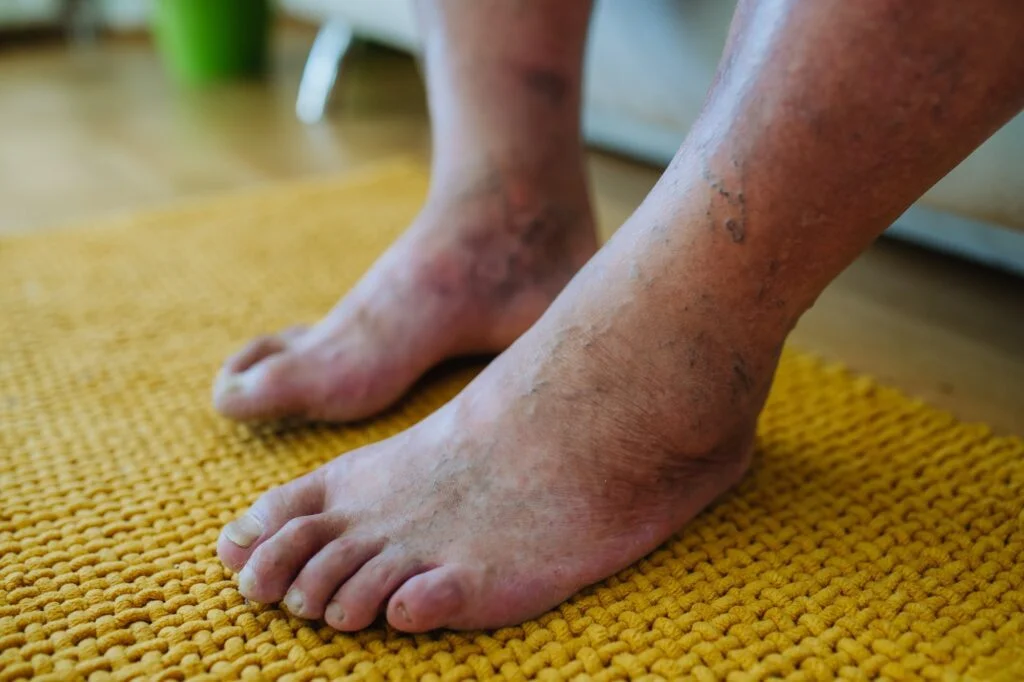
Understanding Foot and Ankle Ulcers
What ulcers are, why they form, and why prompt care matters for your health.
Wound Care and Limb Preservation
An ulcer is a sore in the skin that may go all the way to the bone. A diabetic foot ulcer is an open sore or wound that appears on the bottom of the foot and may lead to amputation if not treated quickly. Because of poor circulation and neuropathy in the feet, cuts or blisters can easily turn into ulcers that become infected and will not heal. This is a common, and serious, complication of diabetes and can lead to a loss of the foot, leg, or one’s life.
Force or friction against the bottom of your foot causes the skin to thicken, forming a callus. If the skin keeps thickening, the callus presses up into the foot. This kills healthy tissue and causes pain. You may not notice the pain if you have neuropathy, a health problem that limits how much feeling you have in your feet. As healthy skin dies, an ulcer forms, and ulcers may progress from hot spots to infected wounds very quickly.
Pain is not a common symptom because of accompanying neuropathy, but you may notice an open sore, drainage on socks, redness, swelling, or an unpleasant odor. If bacteria enter the ulcer, infection sets in and the wound may drain white, yellow, or greenish discharge. Some infected ulcers bleed or have a bad odor.
Foot deformities, irritation from pressure or friction, and trauma can also cause ulcers. It is essential to seek out a podiatrist’s help immediately if you notice an ulcer, so evaluation and treatment can begin before infection spreads.
Treatment Options and Prevention Tips
Our goal is healing the ulcer as soon as possible to reduce the chance of an infection. To do this, we take pressure off the area, remove dead skin and tissue, and apply medication and dressing. Wound management includes keeping the area covered and moist with topical medication and appropriate dressings. If infection is already present, antibiotics will likely be prescribed, and it is important to take them all, as directed.
To take pressure off hot spots and ulcers, your doctor may prescribe orthoses, custom-made shoe inserts that absorb or divert pressure from problem areas. Special shoes, braces, specialized castings, crutches, or a wheelchair may also be used to reduce pressure and irritation. Surgery may be needed if infection enters deep tissues or bone, or if other measures to heal the ulcer are not successful. In such cases, your doctor cleans away the infection while removing as little tissue or bone as possible, and you may be given intravenous antibiotics.
Preventing an ulcer from developing is its best treatment. Visit your podiatrist regularly for comprehensive foot exams, and check your feet every day, especially the soles and between the toes. Look for cuts, bruises, blisters, cracks, sores, or redness. Keep blood sugar levels under control, wear supportive and roomy shoes, and reduce risk factors such as smoking, drinking alcohol, and high cholesterol.
Never trim calluses or corns yourself, and do not use over-the-counter medicated pads. Shake out your shoes before putting them on, and do not go barefoot. Complete healing of an ulcer in a patient with diabetes may take weeks or even several months, but with attentive care and follow-up, many patients preserve their limbs.
Wound Care Locations Near You
Find a University Foot and Ankle Institute location offering ulcer care close to home.

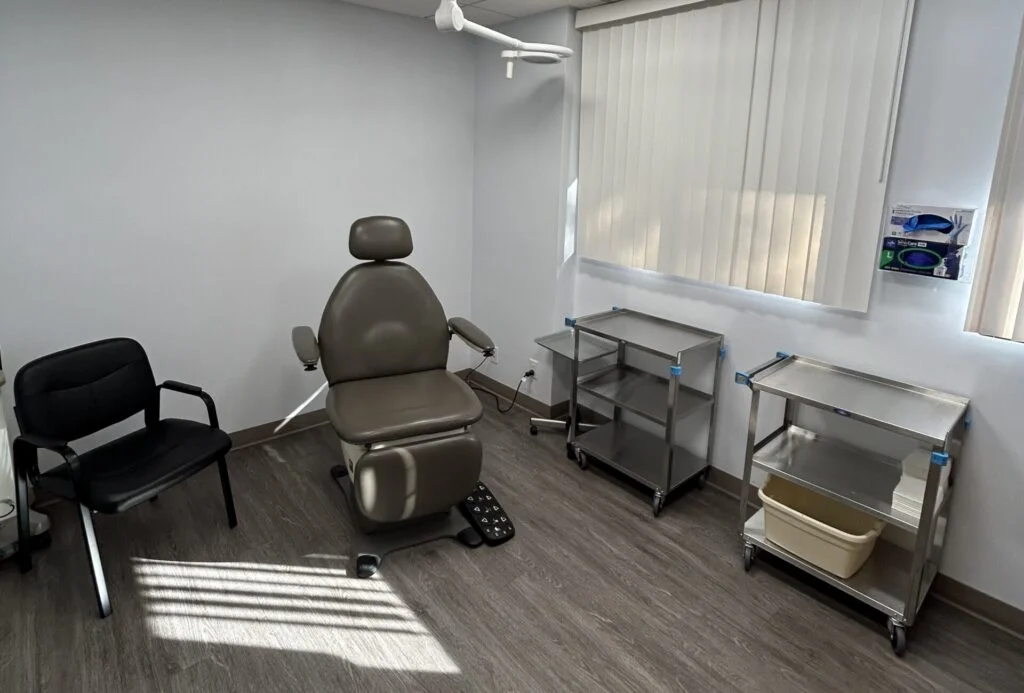



Noticed a sore that won’t heal? Don’t wait to get it checked out.
Early care protects your feet. We’re ready to help you heal quickly.