
Congenital Foot Deformities in Children
Specialized pediatric care for clubfoot, brachymetatarsia, accessory navicular syndrome, and related conditions.
What You Need To Know
Understanding congenital foot deformities and how they are diagnosed and treated.
Pediatric Congenital Foot Deformities
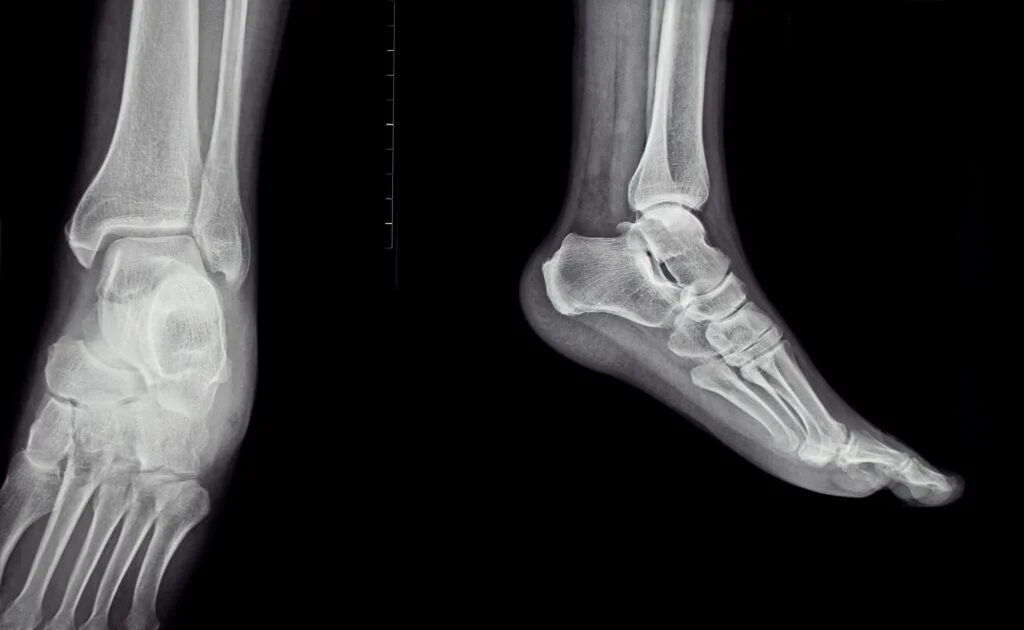
Congenital foot deformities are conditions present at birth that affect the structure or function of a child’s foot. At University Foot and Ankle Institute, we treat a range of these conditions, including clubfoot, brachymetatarsia, and accessory navicular syndrome.
Clubfoot is one of the most common congenital deformities, occurring in about 1 out of every 1000 births and affecting males more commonly than females. The foot at birth is pointed inward and downward, giving it a club appearance. Signs include a foot that looks upside down, a shorter foot or leg, and underdeveloped calf muscles. Usually there is no pain, but untreated clubfoot can lead to arthritis, difficulty walking, and foot sores later in life.
Brachymetatarsia is a rare condition in which one or more metatarsal bones are abnormally short, leading to a shorter toe. It typically affects the fourth toe, which may appear raised or misaligned. Causes include genetic predisposition, early growth plate closure, hormonal imbalances, and trauma.
Accessory navicular syndrome involves an extra bone or cartilage along the posterior tibial tendon on the inner side of the foot. Symptoms often appear in adolescence and include a visible bony prominence, redness, swelling, and pain in the midfoot and arch.
If your child shows signs of any congenital foot deformity, early evaluation by a podiatric specialist is essential to guide treatment and support healthy development.
Treatment Approaches and Recovery
Treatment for clubfoot should begin in the first few weeks after birth when the baby’s joints, bones, and tendons are still flexible. Our specialists utilize the Ponseti Method of serial casting of the foot and leg, which has become the standard of care nationwide. The foot is gently manipulated and plaster casts are applied and changed weekly for 3 to 6 weeks in the office without anesthesia. Occasionally a release of the heel cord is needed, which can be performed in the office through a tiny incision. After correction, special shoes attached to a bar are used 20 to 22 hours per day for 3 months, followed by use during sleep hours for 2 to 4 years.
For accessory navicular syndrome, nonsurgical care focuses on relieving symptoms through immobilization in a cast or walking boot, ice, NSAIDs, physical therapy, and custom orthotic devices. If conservative measures fail, a Kidner procedure to remove the extra bone and repair the posterior tibial tendon may be recommended.
Brachymetatarsia treatment depends on severity. Mild cases may be managed with custom orthotics, padding, and cushioned footwear. Surgical options include bone lengthening through callus distraction using an external fixator, bone grafting for faster correction, or implant surgery. Recovery involves a period of non-weight-bearing with crutches or a walking boot, followed by physical therapy to regain strength and mobility.
With early diagnosis and appropriate care, most children with congenital foot deformities go on to walk, run, and play comfortably.
Pediatric Foot Care Near You
Find a University Foot and Ankle Institute location convenient for your family.




Give your child the strong foundation they deserve, let’s schedule an evaluation today.
Our pediatric specialists are here to guide your family through every step.