
Nerve Testing for Chronic Foot Pain
Advanced nerve testing to pinpoint the source of chronic foot and ankle pain, numbness, tingling, and weakness.

What You Need to Know
Understanding nerve testing and the chronic conditions it helps diagnose.
Nerve Testing and Chronic Nerve Conditions
Nerve and neurological sensory testing is performed using an electromyogram (EMG), which measures the electrical activity of muscles at rest and during contraction. Nerve conduction studies measure how well and how fast the nerves can send electrical signals. Together, these tests help your doctor evaluate the responsiveness of the nerves and muscles, and an abnormal response can help establish the nature of the issue.
A number of things can cause muscle pain and numbness in the lower extremities. Poor circulation, diabetes, injuries, and other conditions can damage nerves and muscles and impede their ability to conduct signals. A nerve sense test may be called for if you experience tingling, numbness, weakness, spasms, or paralysis of the leg muscles.
Nerve testing is commonly used to evaluate chronic conditions such as Baxter’s neuritis, tarsal tunnel syndrome, drop foot, and peripheral neuropathy. Each involves compression, damage, or dysfunction of the nerves that supply the foot and lower leg, and each can produce burning, tingling, numbness, or shooting pain that interferes with walking and daily activity.
At University Foot and Ankle Institute, we use a comprehensive diagnostic approach that may include physical examination, X-rays, MRI or ultrasound, and EMG and nerve conduction studies. If you have leg pain or numbness that has not improved with conservative care, contact us to schedule an evaluation so we can identify the underlying cause and build a treatment plan.
Take a Step Toward Better Care
Discover specialized approaches to foot and ankle health designed to improve comfort, support mobility, and keep you moving confidently.
What to Expect During EMG Testing
No major preparation is necessary for an electromyogram test. You should bathe or shower the day of the test, and your doctor may ask you not to use lotion or oil on the area being examined, as these may interfere with results. Also inform your doctor if you have a pacemaker or cardiac defibrillator, since electrical stimulation may affect these implants.
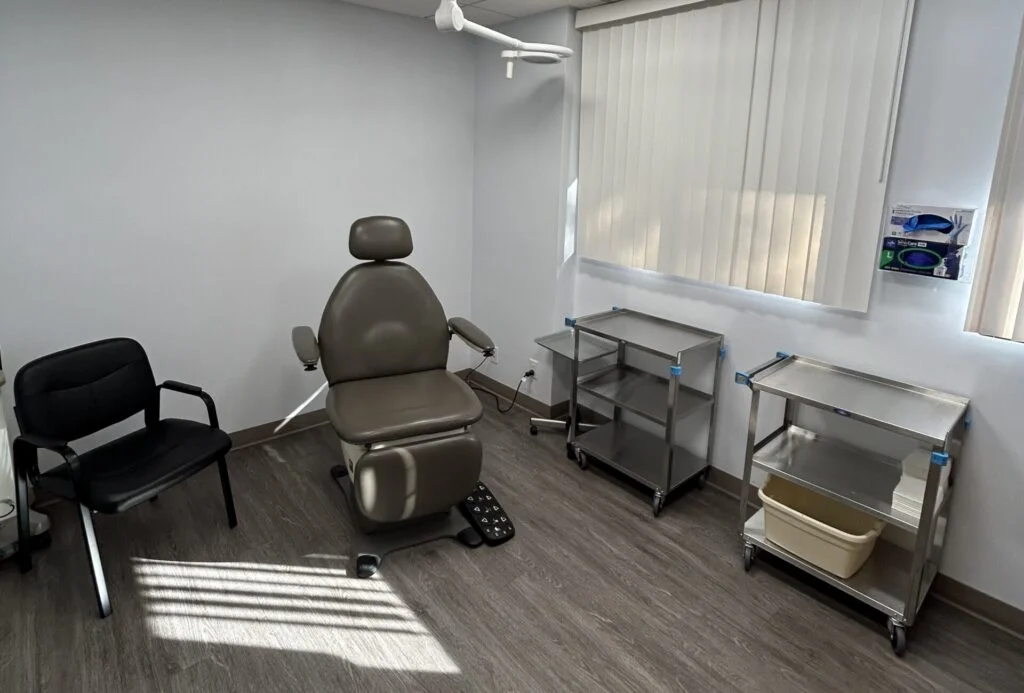
During the test, you will either lie down on a table or sit in a reclining chair to relax your muscles. The skin around the testing area is cleaned, and an electrode attached to a recording machine is placed on the skin. Electrical activity in your relaxed muscle is recorded first, then your technologist will ask you to slowly tighten the muscle to record activity during contraction. The electrode may need to be moved several times.
A video monitor shows the electrical activity, usually appearing as wavy or spiked lines, and you may also hear the activity as you contract and release your muscles. The EMG test usually takes 30 to 60 minutes. Nerve sensory testing is quite safe and can be a valuable tool for diagnosing issues causing pain or numbness in the legs.
There may be some mild muscle soreness after an EMG, but this should subside after a day or two. You will receive your results within a couple of days, and if needed, your doctor will build a treatment course based on the findings, which may include managing diabetes or circulatory issues, physical therapy, orthotics, injections, or surgery to repair damaged nerves.
Nerve Testing Locations Near You
Find a University Foot and Ankle Institute location offering nerve testing close to home.




Don’t let chronic nerve pain hold you back any longer.
Our specialists are here to find the cause and help you feel better.